In the new games section casino sprawling world of e-commerce and digital content, offering customers a frictionless browsing experience is paramount. Retailers and publishers alike struggle with balancing the vastness of their inventory or content catalog against the need to guide users toward meaningful choices. If you’ve ever wondered, “How do I add curated edits without hiding the full catalog?”, you are not alone.
This post explores the art and science of integrating curated collections into your catalog navigation and browse experience, without sacrificing visibility of your entire inventory. We’ll dive into key considerations such as customer mental models vs. internal taxonomies, the dangers of choice overload, and the strategic role curated edits play in easing the customer journey.
Along the way, we draw on existing industry practices from companies like MrQ, Harvard Business Review, and CookieDatabase. We also reference important compliance and UI considerations around cookie consent management, which often intersects with user browsing patterns and data collection strategies.
Inventory Is Not the Experience
One of the most common pitfalls in e-commerce is confusing “inventory” with “experience.” A catalog, whether it’s 5,000 or 500,000 SKUs deep, is simply a database of products or content. But your customers don’t interact with a database; they experience a curated journey designed to help them find what they need, discover new favorites, and feel confident in their choices.
For instance, MrQ, an online gaming site, doesn’t just dump hundreds of games on users. Instead, they present curated collections—top games, new releases, themed picks—that help players start their experience without becoming overwhelmed. This boosts engagement and satisfaction.
Why Showing the Entire Catalog Can Backfire
- Choice Overload: Excessive options overwhelm customers and increase decision friction. Decision Paralysis: Too many choices can lead to inaction, increasing bounce rates. Internal Taxonomies Often Don’t Match User Mental Models: What makes sense to your merchandisers may confuse shoppers.
Instead of merely exposing your entire inventory, your goal should be to guide users thoughtfully. That’s where curated sections come in.
Customer Mental Models Beat Internal Taxonomies
Internal taxonomies—for example, product hierarchies built by category managers—focus on how your business organizes products. However, users come with a very different mental model shaped by their needs, intent, and context.
According to Harvard Business Review, companies that align their information architecture with customer mental models achieve greater usability and customer satisfaction. This insight is invaluable when designing your catalog navigation and browse experience.
Steps to Align with Customer Mental Models
Conduct user research to uncover how customers think about and search for your products or content. Create personas and journey maps to anticipate navigation paths. Build curated collections around common themes and customer intents rather than just internal categories. Use familiar language in labels, avoiding jargon absent from customer vocabulary.For example, CookieDatabase.org puts a user-friendly spin on how it catalogs cookie consent managers and vendors by grouping them through common use cases and privacy regulations, addressing real user concerns.
Choice Overload Causes Decision Friction
When customers face too many choices—often seen in “full catalog dumps”—they experience choice overload. This results in anxiety, longer decision times, and ultimately, reduced conversions.
Choice overload also creates decision fatigue, sapping user motivation just as they’re trying to make a purchase or consume content.
Curated Collections as a Solution
Curated collections can reduce choice overload by:
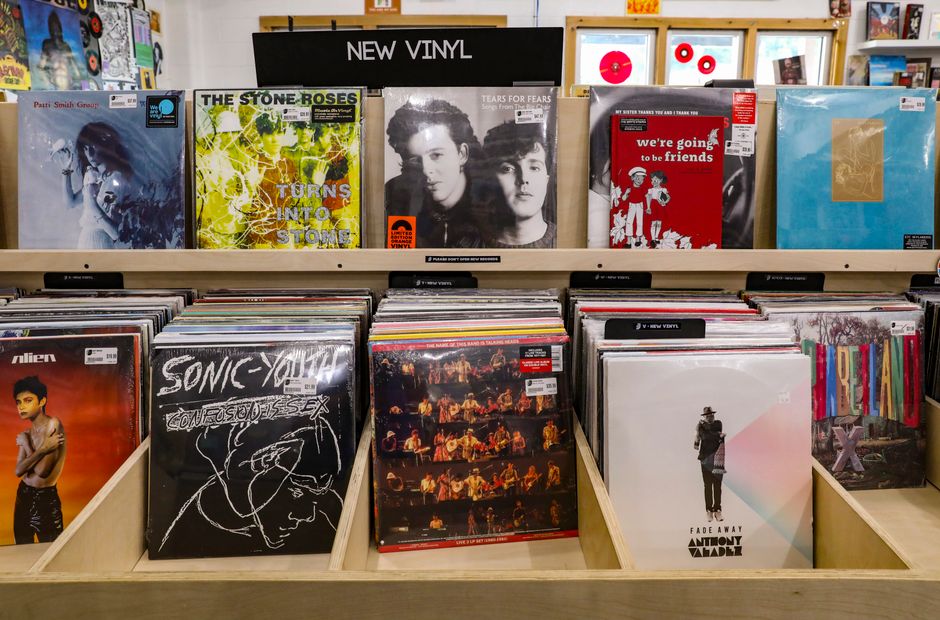
- Highlighting expert picks or trending items that act as entry points. Providing smaller, focused groups of options based on themes, occasions, or user needs. Helping new visitors start browsing quickly without wading through the entire catalog.
Good e-commerce sites balance curated edits with access to the full catalog. MrQ shows this balance well by offering direct searches or category access alongside editor’s picks to accommodate both novice and expert users.
How to Add Curated Edits Without Hiding the Full Catalog
Here are practical tips for integrating curated collections while maintaining transparency and easy access to your full inventory:

1. Feature Curated Collections Prominently on Your Homepage
Create visually distinct curated collections sections labeled as “Editor’s Picks,” “New & Noteworthy,” or “Customer Favorites.” Keep these as entry points that best ecommerce navigation patterns invite users to explore further.
2. Provide Clear Pathways to the Full Catalog
Always include clear navigation options such as:
- “See All” buttons on curated sections Category listings in the main menu or sidebar Search bar with advanced filters
3. Use Persistent Filters or Faceted Navigation
Help customers progressively narrow down choices from the full catalog without losing track of their starting point in the curated collection.
4. Communicate the Relationship Between Curated Edits and Full Inventory
Use microcopy or tooltips explaining that curated collections are recommendations, while the full catalog remains open for exploration.
5. Leverage Behavioral Data for Dynamic Curation
Update curated sections dynamically based on popular items, user preferences, or emerging trends. This keeps the browse experience fresh and relevant.
Cookie Consent Manager UI & EU Cookie Policy Implications
One often overlooked aspect in designing curated and catalog experiences is how cookie consent management can affect user browsing. Many sites, like CookieDatabase.org, provide comprehensive information about cookie management tools including vendor count, manage services, and manage options interfaces.
Complying with EU cookie policy page references means your site’s cookie consent manager UI must be intuitive and transparent. Poorly designed consent pop-ups can disrupt the browse experience, causing frustration akin to choice overload.
Integrating curated edits should harmonize with your cookie consent strategy by:
- Ensuring consent notices do not obscure curated collections or navigation elements. Minimizing delays before users can start exploring curated sections. Clarifying how consent choices affect personalization or recommended curated content.
Choose consent management tools that offer granular control over vendor count and services, enabling you to strike a balance between compliance and seamless browse experience.
Summary Table: Balancing Curated Edits and Full Catalog
Aspect Best Practice Example Homepage Presentation Prominent curated collections + visible “See All” links MrQ’s featured games + full category access Navigation Clear pathways to full catalog; persistent filters Multi-level menus and faceted navigation on large e-retailers Taxonomy Align category labels with customer mental models CookieDatabase’s user-centric terms for consent management tools Choice Overload Limit options in curated sections; provide manageable subsets Curated picks in HBR’s content library Cookie Management Seamless consent UI minimizing browse friction Efficient cookie consent managers with clear controls as documented on cookiedatabase.orgConclusion
Adding curated edits to your e-commerce or digital content site doesn’t mean hiding your entire catalog. Instead, it’s about enriching the browse experience with thoughtfully selected entry points that reflect your customers’ mental models and reduce choice overload.
By blending curated collections with accessible full catalog navigation and considering broader factors like cookie consent UI, you can dramatically improve customer satisfaction and conversion rates. Learn from industry leaders like MrQ, Harvard Business Review, and CookieDatabase, who balance curation and comprehensive access gracefully.
In the age of overwhelming information and infinite options, your customers crave clarity and ease. Curated edits provide a starting point — not a gatekeeper. When done right, they can unlock the full potential of your catalog’s value without obscuring it.
Ready to craft curated collections that work for your users and your catalog? Start small, test user responses, and evolve your navigation with data-driven insights.